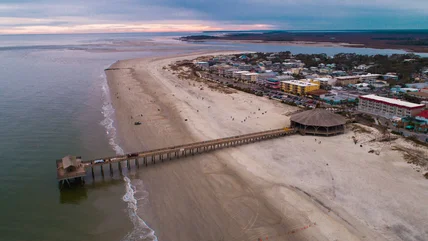
Get The Island Vacation Experience At This Under-The-Radar Florida Destination
A charming small town for unwinding, this dazzling destination will make visitors feel as if they are on a distant island rather than in Central Florida.
Read More
A charming small town for unwinding, this dazzling destination will make visitors feel as if they are on a distant island rather than in Central Florida.
Read MoreBy following these important tips from our destination wedding planner, your special day is sure to be both memorable and financially manageable.
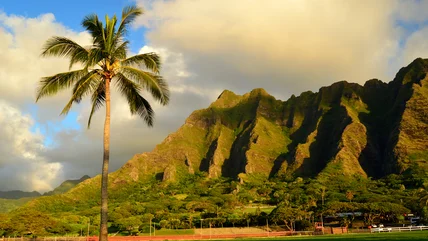
Read MoreInfuse some pop culture into your Hawaiian vacation at this nature reserve and cattle ranch that has served as a filming site for multiple shows and movies.
Read MoreWarm weather, pristine beaches, incredible wildlife -- what is there to complain about after a Costa Rican vacation? For many tourists, there's one main issue.
Read MoreBy following these important tips from our destination wedding planner, your special day is sure to be both memorable and financially manageable.
Read MoreInfuse some pop culture into your Hawaiian vacation at this nature reserve and cattle ranch that has served as a filming site for multiple shows and movies.
Read MoreCord tangles, like necklace tangles, feel like an inevitable part of travel -- but they don't have to be. Here's how to keep your cords nice and neat.
Read MoreEven large cruise ships tend to come with itty bitty living space. Get the most out of your cramped quarters by choosing the right kind of luggage.
Read MoreA beloved and highly-rated beach in Florida has been labeled one of the deadliest in the country. But do visitors really have reason to worry?
Read MoreThis European airport has its fair share of common issues, just like any other busy hub. But there are a few major concerns that make this airport truly hated.
Read MoreTo ensure you're remembered by your fellow cruise passengers for the right reasons, it's important to exhibit courteous behavior -- like avoiding this mistake.
Read MoreInstead of battling the crowds at popular tourist destinations, travel expert Rick Steves suggests heading to similar but less congested locations.
Read MoreMany passengers have admitted to secretly vaping on a plane. Perhaps they think they won't get caught -- but what if they do? Here's what could happen.
Read MoreA restaurant in the Caribbean takes beachfront dining to a whole new level. Come for a unique experience on the water, and stay for the delectable food.
Read MoreElevate your Caribbean vacation with these strategies based on first-hand experience. A few simple steps can transform your trip from great to spectacular.
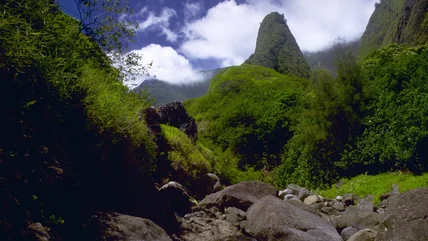
Read MoreBetween the jaw-dropping beauty, the bountiful plant and animal life, and the fascinating history, this is one state park in Hawaii you won't want to miss.
Read MoreWhen creating your packing list for your upcoming trip, make sure this eyewear accessory is on there. It has many helpful uses you'll want to take advantage of.
Read MoreIf you want to experience local Greek cuisine at the beach, you're better off ordering at a restaurant away from the area -- or at least doing your research.
Read MoreAirbnb hosts cancel reservations right before check-in for both legitimate and nefarious reasons. Your response will determine your chances of getting a refund.
Read MoreMany visitors head to this renowned Caribbean beach in search of a TikTok-worthy experience; however, this pursuit can come at a very high price.
Read MoreNot all camp sites include restrooms on-site. Ensure you're prepared when nature calls with this super easy and affordable DIY pool noodle toilet.
Read MoreDoes your travel feel stuck on repeat? Add some variety to your itinerary by heading to these spots around the world with features you won't find anywhere else.
Read MoreOne of the busiest airports in the United States loses a large number of checked bags. Fortunately, travelers have options if this happens to them.
Read MoreManaging all the details of your trip can be challenging. Reduce the stress of travel planning with these phone apps approved by Rick Steves.
Read MoreHawaii has long been associated with its many beautiful beaches. However, these seemingly idyllic spots come with dangers that often catch visitors off guard.
Read MoreFeel like taking a European vacation but don't have the resources just this second? Here are some surrogate European locations in the ol' U.S. of A.
Read MoreIf you visit Florida during this time of year, be prepared for some serious itchiness. It's a problem that's been around for centuries -- and may never go away.
Read MoreThe Boeing 737 and the company behind it have been associated with a growing number of safety concerns. What's really going on with this notorious aircraft?
Read MoreFrance is lauded for its delicious baked goods, but one signature Parisian dessert has crossed the line from "famous" into "overrated."
Read MoreWho says a luxurious beach vacation has to cost a lot of money? Skip the international trip and head to this affordable East Coast island instead.
Read MoreIf crouching down and sorting through your items is the last thing on your mind after check-in, you can at least make the process easier with this hotel hack.
Read MoreCan't get enough of the sweeping deserts of "Dune"? Feel like the star of the sci-fi sensation by heading to this lesser-known state park in Texas.
Read MoreThis national park embodies the fact that natural beauty and danger often go hand in hand. Thankfully, there are simple ways to make your visit safer.
Read More